
How to Choose the Best Biopolymer Removal Surgeon: A Patient Guide
Published · Updated
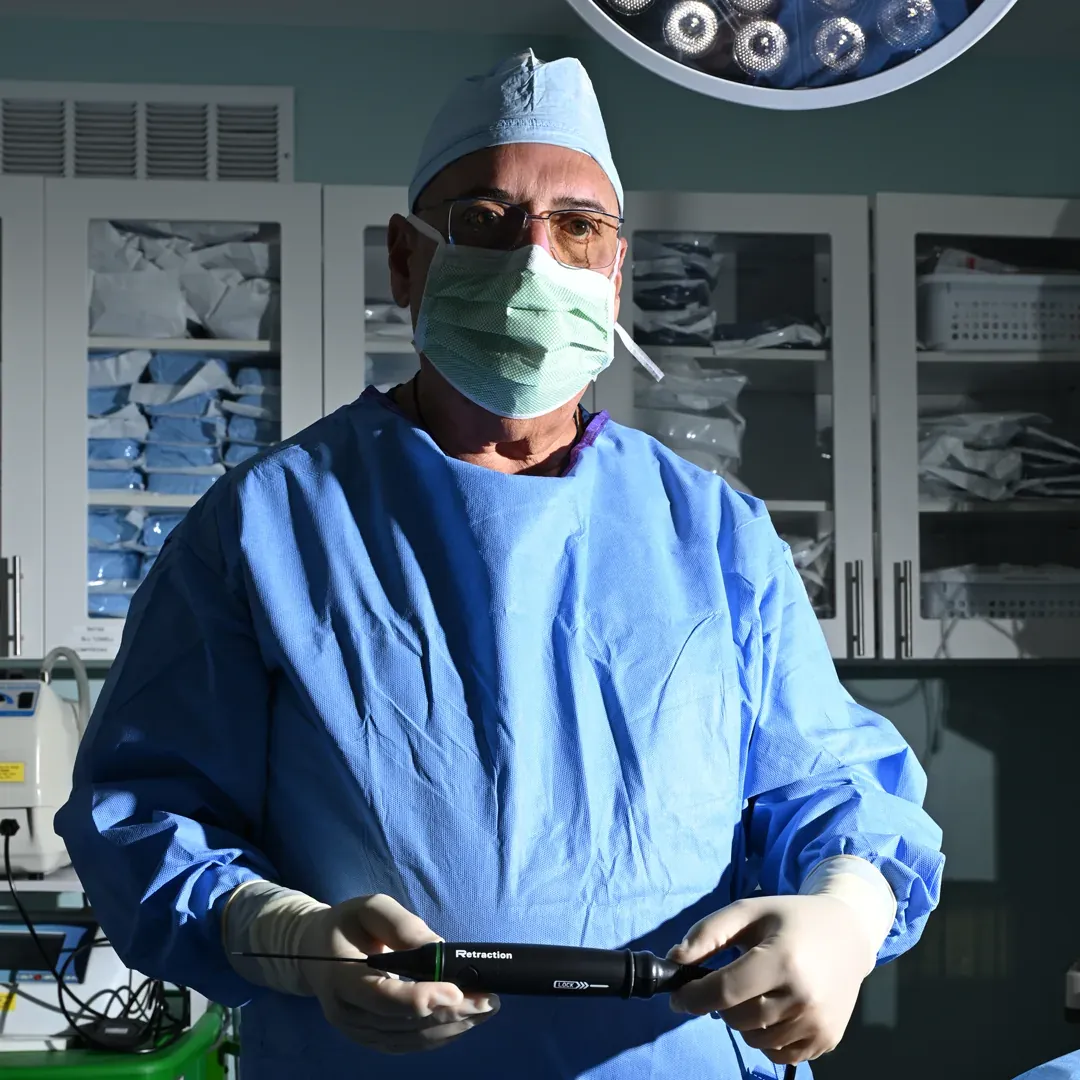
The best biopolymer removal surgeon is a physician with an active, verifiable license, surgical training, and documented experience removing foreign substances, who evaluates each case before recommending surgery. The right surgeon is not the one who promises to remove 100% of the material, but the one who explains honestly what can be removed, what cannot, and what the risks are.
This guide covers the criteria to check before you choose, the questions to ask at your consultation, and the red flags that suggest you should get another opinion.
What are biopolymers, and why might they need surgery?
In aesthetic medicine, "biopolymers" is the popular name for unapproved filler substances injected to add volume to the buttocks, breasts, face, or other areas. Liquid silicone, synthetic oils, hydrogel, and petroleum-derived materials have all been injected under that name, often outside any medical setting.
The disease caused by these substances is known as iatrogenic allogenosis (alogenosis iatrogénica), a term coined by Dr. Felipe Coiffman in 2008. According to a review published in PubMed Central, its effects range from mild, localized changes to deformity and multi-organ failure.
The U.S. Food and Drug Administration (FDA) warns that injectable silicone is not approved for body contouring or enhancement; its only approved use is inside the eye. The agency notes that these injections can cause serious, permanent side effects and may even lead to death. In Venezuela, these substances have been banned since 2012, according to the Gaceta Médica de Caracas.
What should the best biopolymer removal surgeon offer?
Six criteria let you compare options objectively. None of them guarantees a result on its own, but together they lower the risk of a poor choice.
1. An active, verifiable medical license
License verification is the first and easiest filter. In Florida, anyone can check a physician's license status and disciplinary history through the Florida Department of Health license lookup. This step matters because, according to the FDA, many silicone injections are given by unlicensed individuals in homes or hotels.
2. Clearly explained surgical training
Biopolymer removal is not a standalone medical specialty: it is performed by surgically trained physicians who have focused their practice on these cases. Ask about the physician's core training and, if a certification is mentioned, which board granted it. In Florida, Rule 64B8-11.001 requires physician advertising that references a specialty certification to name the board that awarded it.
3. Specific experience with foreign substances
Removing biopolymers is different from routine cosmetic surgery. The material may be scattered, attached to skin or muscle, and may have migrated to other areas of the body. Ask how many cases like yours the physician has treated, in which body areas, and whether you can see patient results shared with consent.
4. A full evaluation before any surgery date
A responsible surgeon does not schedule surgery without evaluating you first. The consultation should include your medical history, an examination of the affected areas and, when the case calls for it, imaging to locate the material. That information determines whether surgery is appropriate and which plan is safest.
5. Honesty about the limits of removal
Complete biopolymer removal is not always possible, because the material can infiltrate tissue and move. The best biopolymer removal surgeon will explain how much material is realistic to remove, what scarring to expect, and whether more than one procedure may be needed. Common risks such as scarring, changes in sensation, and asymmetry should be part of that conversation.
6. Surgical setting, anesthesia, and follow-up
Ask where the procedure will take place, who will administer anesthesia, and what follow-up looks like. A written post-operative follow-up plan is part of treatment, not an add-on.
Trust signals and red flags
| Area | Trust signal | Red flag |
|---|---|---|
| License | Active license, verifiable in the official registry | Will not share full name or license number |
| Promises | Explains limits, risks, and realistic outcomes | Guarantees removal of 100% of the material |
| Evaluation | Individual consultation and testing when needed | Fixed price and surgery date without an exam |
| Experience | Describes similar cases and shares consented results | Vague answers about experience |
| Follow-up | Written post-operative follow-up plan | No clear instructions after surgery |
| Sales pressure | Gives you time to decide | Discounts for deciding the same day |
What should you ask at your first consultation?
Bringing these questions helps you compare physicians on the same terms:
- What is your license number, and in which state do you practice?
- What is your core surgical training?
- How many biopolymer or liquid silicone removal cases have you treated in the same area as mine?
- Do I need imaging before we decide?
- How much of the material is realistic to remove in my case?
- Where will surgery take place, and who will administer anesthesia?
- What does recovery look like, and how many follow-up visits are included?
If this is your first appointment, also read our guide on how to prepare for your first cosmetic surgery consultation.
How does HD Esthetique approach biopolymer removal in Miami?
HD Esthetique is a medical aesthetics and wellness practice in South Miami, Florida, led by Dr. Rafael Antún, a physician with an active Florida medical license and training in general surgery and urology. Biopolymer and foreign-body removal is the practice's flagship focus.
Every case begins with a private evaluation. Dr. Antún reviews the patient's medical history, the substances and areas involved, imaging where appropriate, and the patient's goals before developing a treatment plan.
The practice evaluates cases involving liquid silicone, biopolymers, hydrogel, synthetic oils, and unidentified substances in the face and lips, breasts, abdomen, buttocks, intimate areas, thighs, and legs. For silicone cases, see also our page on silicone injection removal. Consultations are available in English and Spanish, and patients outside Miami can start with a remote evaluation.
To learn the most common warning signs, read our article on signs and symptoms of biopolymer complications.
Frequently asked questions about biopolymer removal
How much does biopolymer removal surgery cost?
Cost can only be determined after a medical evaluation, because it depends on the substance, the affected areas, the amount of material, and whether contour correction is needed. Be wary of fixed prices offered before anyone has examined you.
How long is recovery after biopolymer removal?
Recovery varies with the areas treated, the extent of surgery, and how each patient heals. Before surgery, your surgeon should give you a personalized estimate and a schedule of follow-up visits.
How do I know if I have biopolymers if I don't remember what was injected?
A medical evaluation, with imaging when the case requires it, can show whether foreign material is present and where it is located. Not knowing the substance is common: in a 2020 study published in the journal Biomédica on patients in Cali, Colombia, 33.6% did not know what had been injected.
Can I start the evaluation if I live outside Miami?
Yes. HD Esthetique offers an initial remote evaluation and travel coordination support for patients from other cities and countries, with care in English and Spanish.
Choose based on information, not promises
Choosing the best biopolymer removal surgeon means prioritizing four things: a verifiable license, experience with foreign substances, an individualized evaluation, and honesty about the limits of treatment. If you are living with pain, hardening, inflammation, or deformity after prior injections, a medical evaluation is the first step toward understanding your real options.
At HD Esthetique, you can request a private, confidential evaluation with Dr. Rafael Antún, in person in South Miami or remotely, with no obligation to proceed with any procedure.
Sources
- U.S. Food and Drug Administration (FDA). FDA warns about illegal use of injectable silicone for body contouring and associated health risks.
- Sarcoid-like granulomatous reaction secondary to biopolymers: case report and literature review. PubMed Central.
- Castro CM, Ríos CA, López CA, Ospina ML, Ortiz Y. Adverse effects of modeling substances in Cali, Colombia. Biomédica, 2020. PubMed Central.
- Torres J, Oliveros C. Alogenosis por biopolímeros: revisión de la literatura y acercamiento al manejo. Gaceta Médica de Caracas, 2021.
- Florida Department of Health. Look Up a License Help.
- Florida Administrative Code, Rule 64B8-11.001 (Advertising).
This article is for informational purposes only and does not replace a medical consultation. Eligibility, technique, recovery, and results vary by patient.