Patient Education
Best Foods to Eat After Plastic Surgery: A Recovery Guide
Quick answer
After plastic surgery, regular meals and snacks that include protein, fruits and vegetables, whole grains or other fiber-containing foods, and appropriate fluids can help meet nutritional needs during normal recovery. Your surgeon’s instructions and any medical dietary needs always come first.
Primary topic
Make protein a practical starting point
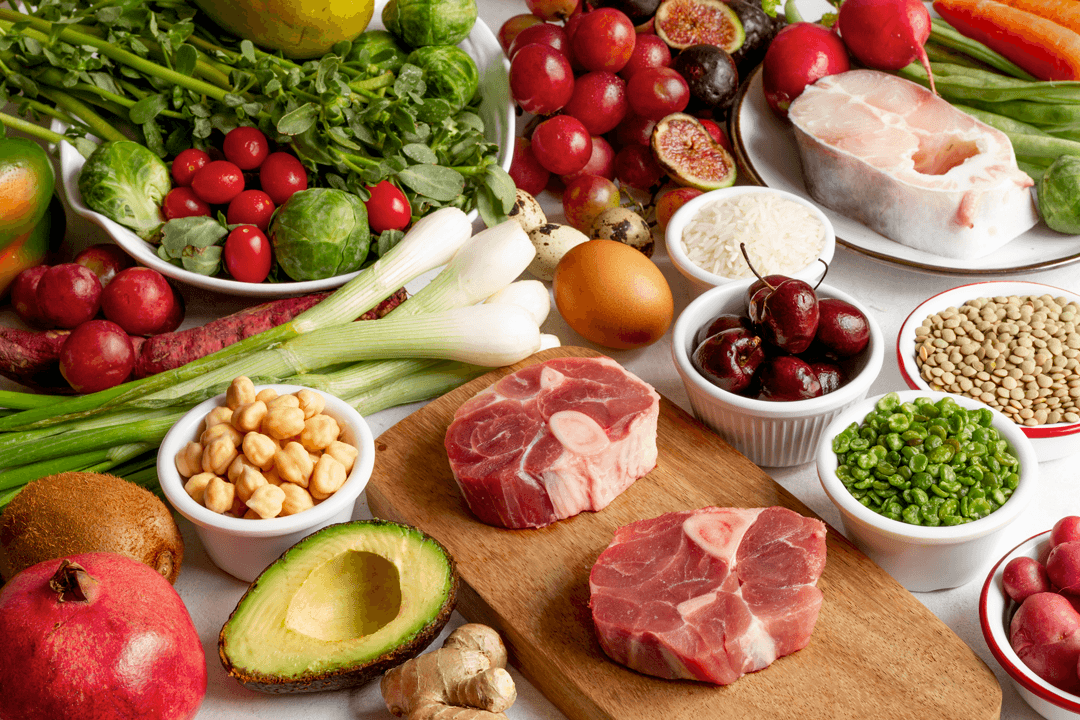
Protein provides amino acids used in tissue building and repair. When you are able to eat, including a protein source at meals and snacks can be a practical foundation. Fish, chicken, eggs, Greek yogurt or other dairy foods, tofu, beans, lentils, chickpeas, nuts, seeds, and soy milk are examples rather than a prescription for a particular amount.
Choose foods you tolerate well and that fit your usual eating pattern. If appetite is low or large portions feel difficult, smaller meals more often may be easier. Contact the clinical team if it is persistently difficult to eat or drink enough rather than relying on general nutrition advice alone.
Add color, fiber, and variety
Fruits and vegetables provide vitamins, minerals, and fiber. Dark leafy greens, berries, bell peppers, carrots, sweet potatoes, broccoli, tomatoes, and citrus are examples that can create variety across the week. No food needs to be called a superfood to be useful.
Reduced activity, anesthesia, and some pain medicines can affect bowel regularity. If your care team has not prescribed a special diet and you tolerate them, fruit, vegetables, beans, lentils, and whole grains are everyday sources of fiber. Add fiber gradually and ask the surgical team about persistent constipation, nausea, vomiting, or poor intake.
Hydration is important, but individual
Water and other appropriate unsweetened fluids can support hydration during recovery. Fluid requirements are not one-size-fits-all; procedure details, medicines, activity, climate, nausea, and heart or kidney conditions can change the right plan.
Rather than following a universal ounce target, follow the fluid guidance from your surgical team. Hydration supports normal wound-healing processes, but it does not prevent complications or guarantee a particular healing speed, scar appearance, or aesthetic result.
Use supplements and spices thoughtfully
Food is generally the foundation of postoperative nutrition. Do not start, stop, or increase vitamins, herbal products, protein powders, or other supplements without checking with your surgeon or prescribing clinician. Supplements can affect bleeding risk, anesthesia, medicines, or a medical condition.
Ginger, turmeric, cinnamon, and other spices can add flavor, but they should not be presented as treatments for postoperative swelling, bruising, infection, or scars. Use culinary amounts only if permitted by your team and disclose concentrated products or supplements before and after surgery.
Simple meal ideas for the first days at home
Planning a few easy meals before surgery may make regular eating more manageable when you return home. Convenience, tolerance, and the care plan matter more than a perfect menu.
These ideas are general education, not individualized medical advice. Modify them for allergies, digestive symptoms, medical conditions, and any procedure-specific instructions from your surgical team.
- Greek or soy yogurt with berries and oats.
- Eggs with sautéed spinach and whole-grain toast.
- Lentil or bean soup with vegetables and a protein-containing side.
- Salmon, chicken, or tofu with a cooked vegetable and a whole grain.
- A smoothie with yogurt or soy milk, fruit, and protein if it fits your dietary instructions.
Frequently asked questions
What are the best foods to eat after plastic surgery?
There is no single required list. A practical pattern includes protein foods, fruits and vegetables, fiber-containing carbohydrates such as beans or whole grains when tolerated, and appropriate fluids. Procedure-specific instructions and medical needs may change what is suitable.
Should I take vitamins or supplements after cosmetic surgery?
Only if your surgeon or another qualified clinician recommends them. Supplements can interact with medicines or affect bleeding and anesthesia. Bring a complete list of vitamins, herbs, powders, and over-the-counter products to your surgical team.
Are smoothies okay after plastic surgery?
They can be convenient if you tolerate them and have no texture or dietary restrictions. A smoothie can include a protein source, such as yogurt or soy milk, plus fruit. It does not replace a different plan recommended by your care team.
Should I avoid alcohol after surgery?
Follow your surgeon’s instructions about alcohol. Do not mix alcohol with pain medicine, and do not assume a particular timing is safe without confirmation from your care team.
Related information
Clinical sources
This article is for educational purposes and does not replace an individual medical evaluation, diagnosis, or medical advice. Eligibility, technique, recovery, and results depend on each patient’s health, anatomy, history, and goals.

Meet Dr. Antún
Dr. Rafael Antún
Dr. Rafael Antún is a Florida-licensed physician with training in general surgery and urology and experience in cosmetic and corrective aesthetic care. His approach begins with individual evaluation, safety, and an honest conversation about what may be appropriate for each case.
Learn more about Dr. AntúnNext step
Discuss your goals in a private evaluation
A consultation is an opportunity to review your history, concerns, and goals and determine which discussion or approach may be appropriate for your situation.
Book a Consultation