Patient Education
Cosmetic Surgery Anesthesia in Miami: What to Know
Quick answer
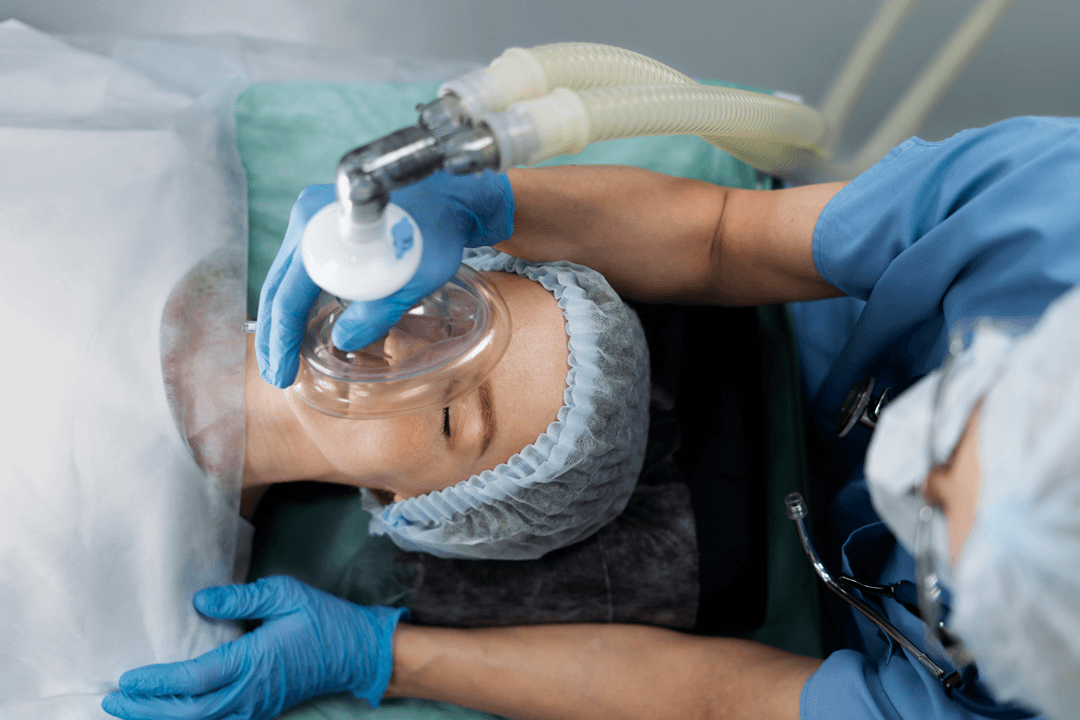
Cosmetic surgery anesthesia in Miami is not one single approach. Depending on the procedure, its planned extent, and a patient’s health history, the plan may involve local anesthesia, regional anesthesia, sedation, general anesthesia, or a combination. The clinical team determines the final plan after evaluation.
Primary topic
Understanding the main anesthesia approaches
Anesthesia uses medicines to prevent or reduce pain during a procedure. Depending on the technique, it may numb a small or larger area, promote relaxation or drowsiness, or produce unconsciousness. The procedure, medical history, overall health, and other factors inform the choice.
The name of an approach is not an individualized plan. Procedure length, treatment area, anticipated discomfort, and patient-specific considerations all matter. Only the treating clinicians can determine whether a particular option is appropriate for a particular person.
- Local anesthesia numbs a small targeted area while the patient remains awake.
- Regional anesthesia affects a larger area, and sedation may sometimes be part of care.
- Sedation ranges from relaxed and awake to deeply sedated; monitored anesthesia care is an anesthesia service, not a single sedation depth.
- General anesthesia produces unconsciousness and may be used for some major operations.
Safety involves the full care setting
Safety involves more than the medication used for anesthesia. It includes qualified personnel, the capability of the setting, appropriate patient and procedure selection, monitoring, emergency preparedness, and recovery processes.
ASA monitoring standards address ongoing assessment of oxygenation, ventilation, circulation, and temperature during anesthetics. For office-based care, the ASA also describes the need for qualified personnel, suitable equipment, emergency protocols, and a process for transfer when needed. These are safety principles, not a guarantee of a particular outcome.
What to share before anesthesia
A complete pre-procedure discussion helps the team identify relevant considerations. Patients are commonly asked about current and past health conditions, medications, supplements, allergies, prior reactions to anesthesia, and prior surgeries.
Do not stop or start a medicine based only on general web information. Ask who will provide anesthesia, which type is planned, how you will be monitored, what awareness or recall may be expected, and which procedure-specific instructions apply to you.
Recovery and realistic expectations
Recovery can differ by anesthesia technique, procedure, medicines used, and individual factors. Drowsiness and other temporary effects may occur after anesthesia or sedation. Follow the treating team’s discharge instructions, transportation requirements, and follow-up guidance.
Anesthesia is an important part of a cosmetic surgery plan, but it does not make surgery risk-free or promise a particular result. If new, severe, or concerning symptoms occur after a procedure, use the contact and urgent-care instructions provided by the treating team. This educational overview is not individualized medical advice.
Frequently asked questions
What type of anesthesia is used for cosmetic surgery in Miami?
There is no single answer for every procedure. Local anesthesia, regional anesthesia, sedation, general anesthesia, or a combination may be considered. The choice depends on the procedure and clinical factors identified during evaluation.
Will I be awake during cosmetic surgery?
That depends on the planned approach. Local anesthesia generally leaves a patient awake; regional anesthesia may allow awareness; and sedation spans a range of responsiveness. General anesthesia causes unconsciousness. The care team can explain what awareness and recall may be expected.
Is sedation the same as general anesthesia?
No. Sedation has different levels, from minimal to deep, while general anesthesia causes unconsciousness. Monitored anesthesia care refers to an anesthesia service and does not itself specify one sedation depth.
What should I discuss with the anesthesia team?
Share a complete health history, medicines and supplements, allergies or previous anesthesia reactions, and questions about the plan. You can also ask who will provide anesthesia, how monitoring and recovery will be handled, and what instructions apply to your situation.
Are anesthesia risks the same for everyone?
No. Overall health, medical history, the procedure, and the anesthesia approach are among the factors that matter. General educational sources describe possible risks but cannot determine an individual’s risk.
Related information
Clinical sources
This article is for educational purposes and does not replace an individual medical evaluation, diagnosis, or medical advice. Eligibility, technique, recovery, and results depend on each patient’s health, anatomy, history, and goals.

Meet Dr. Antún
Dr. Rafael Antún
Dr. Rafael Antún is a Florida-licensed physician with training in general surgery and urology and experience in cosmetic and corrective aesthetic care. His approach begins with individual evaluation, safety, and an honest conversation about what may be appropriate for each case.
Learn more about Dr. AntúnNext step
Discuss your goals in a private evaluation
A consultation is an opportunity to review your history, concerns, and goals and determine which discussion or approach may be appropriate for your situation.
Book a Consultation