Patient Education
Cellulite Treatment in Miami: Options and Expectations
Quick answer
Cellulite treatment in Miami generally refers to elective cosmetic approaches that may make skin dimpling less noticeable. Cellulite is common and harmless, not a medical problem that must be treated. Results vary, and no option should be presented as a way to completely or permanently remove cellulite.
Primary topic
What cellulite is, and what it is not
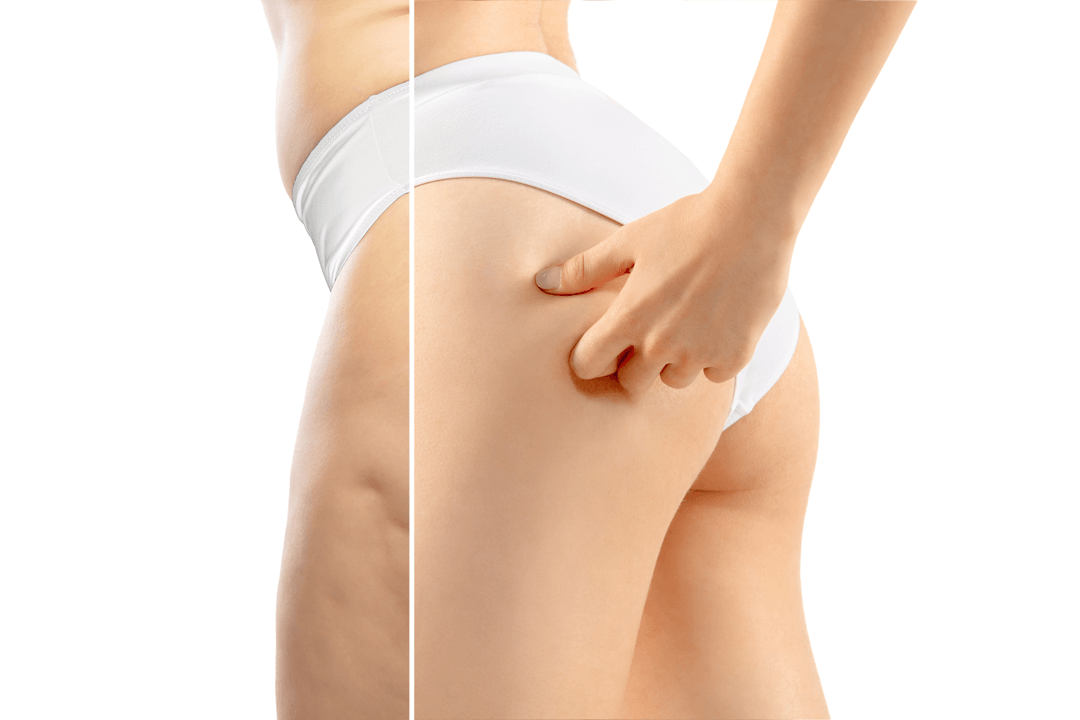
Cellulite is a dimpled or uneven skin texture often seen on the thighs, hips, buttocks, or abdomen. It is common in women at many body sizes and activity levels. Its appearance is related to the way fat and fibrous connective cords sit beneath the skin: cords pull downward while tissue between them pushes upward.
This anatomy helps explain why cellulite is not the same as excess fat. A procedure that removes fat may not change dimpling and can sometimes make it more noticeable. Cellulite is a normal cosmetic concern, not a health diagnosis or a sign that someone has done something wrong.
Carboxytherapy and energy-based treatments
Carboxytherapy places carbon dioxide gas just beneath the skin. Early research suggests that some people may see less-visible cellulite, but evidence remains limited. Discomfort during treatment and temporary bruising can occur. It is best described as an option that may improve the appearance of some cellulite, not as a treatment that destroys fat cells or guarantees smooth skin.
Radiofrequency uses controlled heat as part of an aesthetic plan, and some devices combine energy with suction, massage, or other technologies. Some patients may see a modest, temporary reduction in the appearance of cellulite, often after multiple sessions. Radiofrequency microneedling delivers energy through needles; a study result does not mean every device, plan, or person will have the same outcome.
Massage, subcision, and laser options
Massage-based and vacuum-assisted approaches may temporarily change the look of skin texture for some people after a series of sessions. Results are variable and short-lived, and continued sessions may be needed to maintain any visible change. Massage should not be framed as a permanent correction.
Subcision uses a needle, blade, or specialized device beneath the skin to release fibrous bands associated with individual dimples. It is more invasive than external device-based treatment and can involve pain and bleeding beneath the skin. Some minimally invasive laser approaches may also reduce visible cellulite, but more research is needed and dimpling can return with some treatments.
Liposuction, exercise, creams, and weight change
Liposuction is designed to remove fat, not to treat cellulite. Professional guidance cautions that liposuction alone is not recommended for cellulite and may make dimpling more obvious. Body-contouring procedures and cellulite treatment have different goals.
Weight changes or greater muscle tone can make cellulite less or more noticeable for some people, but neither removes it. Exercise supports general health and is not a cure. Some topical products may make a modest change in appearance; for example, Mayo Clinic notes that 0.3% retinol cream may improve the look of cellulite after six months or longer for some users. Effects are not immediate, topical products can irritate skin, and supplements have not been shown to reduce cellulite.
Setting realistic expectations
The goal of a cosmetic cellulite treatment is usually an improvement in visible dimpling or texture, not a perfect or permanent result. A useful consultation explains the pattern being treated, the number of sessions or stages that may be considered, expected recovery, possible side effects, likely duration of improvement, and whether maintenance may be needed.
Ask for a plain-language explanation of the evidence behind the specific technique. A qualified clinician can explain intended use, risks, alternatives, and whether the proposed option fits the concern. Results vary, and this article is educational information rather than individualized medical advice.
Frequently asked questions
Is cellulite a medical problem?
No. Cellulite is a very common, harmless skin texture. Treatment is optional and is usually pursued for cosmetic reasons.
Can cellulite be completely removed?
No treatment should be described as completely removing cellulite. Some treatments may make dimpling less noticeable, but results differ and may be temporary.
Does massage get rid of cellulite?
Massage or vacuum-assisted approaches may temporarily change texture for some people, often after multiple sessions. Evidence and duration of results vary, so massage should not be presented as a permanent solution.
Is liposuction a cellulite treatment?
Not by itself. Liposuction removes fat but does not reliably address the fibrous bands that contribute to cellulite, and it may make dimpling more noticeable in some cases.
What should I ask before considering a cellulite treatment in Miami?
Ask what the treatment is intended to improve, the expected number of sessions, likely downtime, common risks, how long visible changes may last, and what evidence supports that specific approach.
Related information
Clinical sources
This article is for educational purposes and does not replace an individual medical evaluation, diagnosis, or medical advice. Eligibility, technique, recovery, and results depend on each patient’s health, anatomy, history, and goals.

Meet Dr. Antún
Dr. Rafael Antún
Dr. Rafael Antún is a Florida-licensed physician with training in general surgery and urology and experience in cosmetic and corrective aesthetic care. His approach begins with individual evaluation, safety, and an honest conversation about what may be appropriate for each case.
Learn more about Dr. AntúnNext step
Discuss your goals in a private evaluation
A consultation is an opportunity to review your history, concerns, and goals and determine which discussion or approach may be appropriate for your situation.
Book a Consultation